

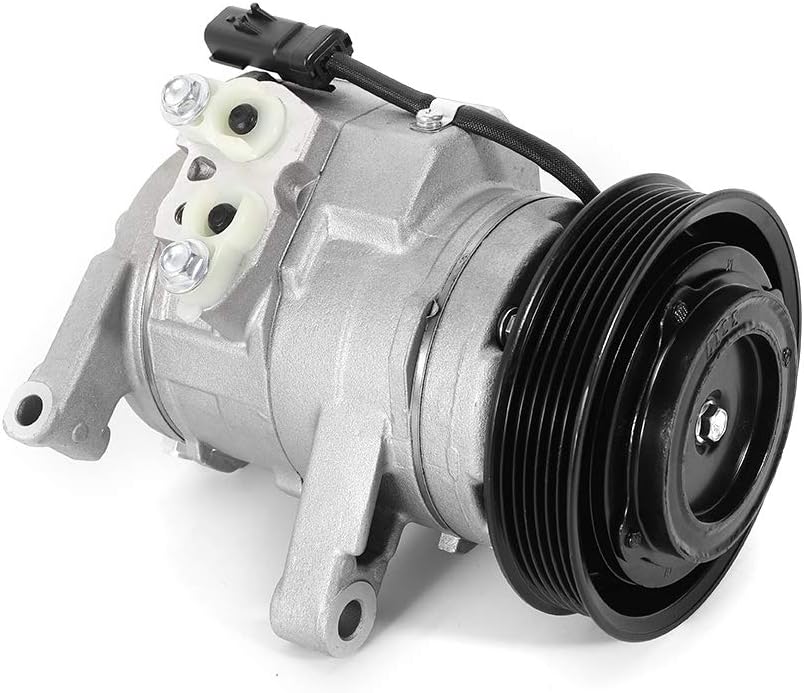
Air Conditioner A/C AC Compressor & Clutch,Fit For Dodge Dakota Ram 1500 & Mitsubishi Raider 3.7L 4.7L 2004 2005 2006 2007 Air Conditioning Compressor Replace, Match The Original Car Parts
Product details
| Management number | 214240907 | Release Date | 2026/04/12 | List Price | US$34.00 | Model Number | 214240907 | ||
|---|---|---|---|---|---|---|---|---|---|
| Category | |||||||||
Specification:Replace OEM Number:OEM Number: 10350380, CO 10800CPart Number: 639300, 7512472, 67308, 68357, 10S20EC, 7512150, 252396, 275645, 1409NOther Part Number: 0610100, 2011327AM, TEM275645, 275645, TEM252396, 10000670, 140133NEWInterchange Part Number: CO 10800C, CS20106, 6512150, 55056435AB, RL056444AC, RL057334AA, 68308Fitment:For 2004-2007 for Dodge Dakota 3.7LFor 2004-2007 for Dodge Dakota 4.7LFor 2004-2007 for Dodge Ram 1500 3.7LFor 2004-2007 for Dodge Ram 1500 4.7LFor 2006-2007 for Mitsubishi Raider 3.7LFor 2006-2007 for Mitsubishi Raider 4.7LNote:Be sure to clean the air conditioning system before installation, otherwise it will cause compression broken.No installation instruction included, professional installation is highly recommended.Package Includes:1x Air Conditioner Compressor w/ Clutch
- The air conditioning compressor is high quality and manufactured to original specifications.
- Automotive replacement air conditioning compressors are perfectly matched to the original car.
- The ac compressor is characterized by stability and high reliability.
- This air conditioning compressor is leak pressure tested to ensure product quality.
- Replacement OEM numbers: 10350380, CO 10800C,55056435AB, RL056444AC, RL057334AA,.
| Brand | SAHUANIYE |
|---|---|
| Model | Air Conditioning Compressor |
| Exterior | NO |
| Item Weight | 14.99 pounds |
| Manufacturer | CHARMEDLAMP |
| Item model number | DX7894534 |
| Package Dimensions | 11.02 x 8.66 x 7.48 inches |
| Manufacturer Part Number | DX8798453 |



Bestseller ranking
Compressors


Customers who viewed this product also viewed
Dog Sleeping Bags


Correction of product information
If you notice any omissions or errors in the product information on this page, please use the correction request form below.
Correction Request Form