

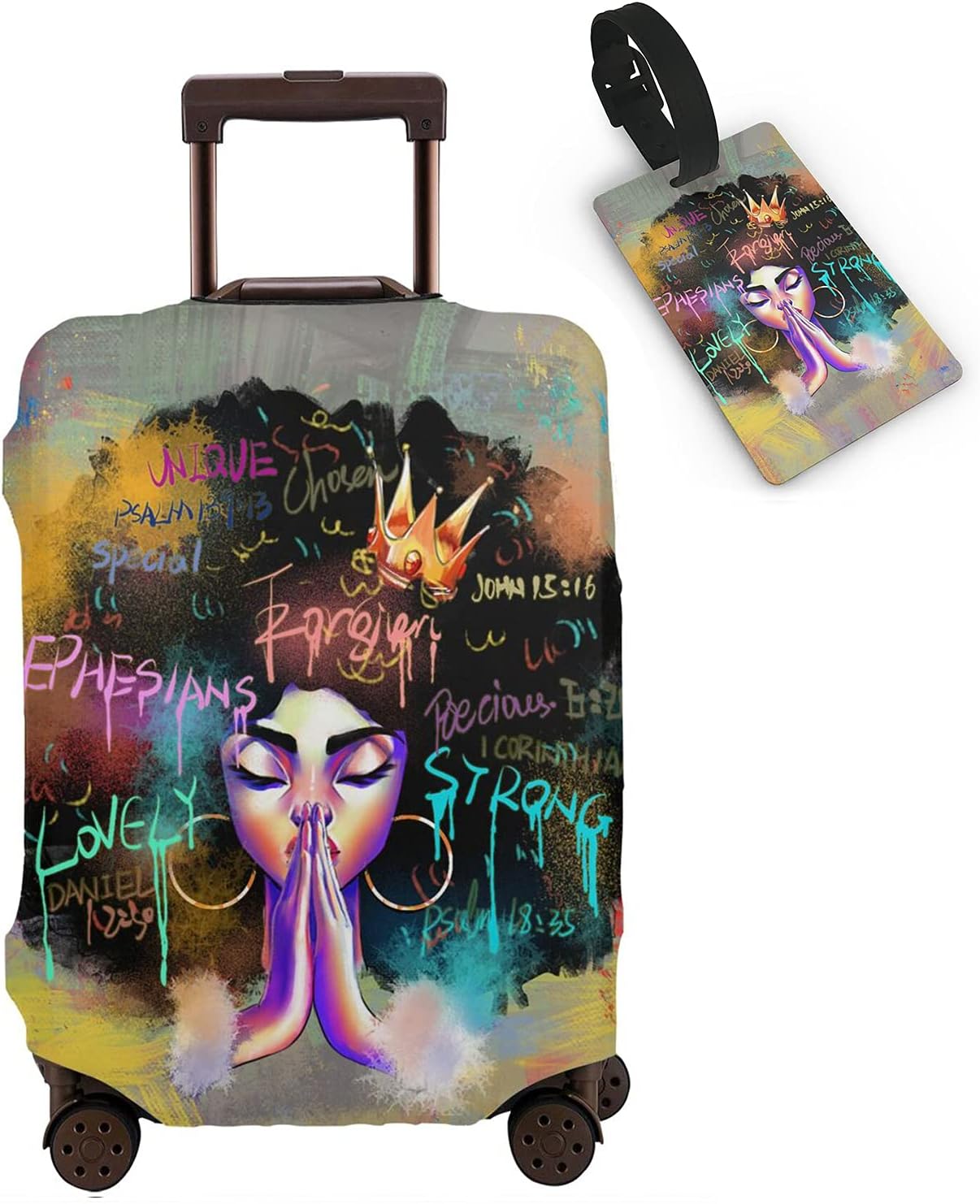
African American Women Travel Luggage Cover Protector for Suitcase S(18-22 inch luggage)
Product details
| Management number | 218062780 | Release Date | 2026/05/03 | List Price | US$8.66 | Model Number | 218062780 | ||
|---|---|---|---|---|---|---|---|---|---|
| Category | |||||||||
- 【High Quality Material】High quality polyester,Which can be more durable and very stretchable to fit different shapes and sizes.
- 【4 Size Available】S (Suitable for 18--21 inch luggage),M(Suitable for 22--24 inch luggage),L(Suitable for 25--28 inch luggage),XL(Suitable for 29--32 inch luggage),If your luggage is soft shell style,please order a bigger size.
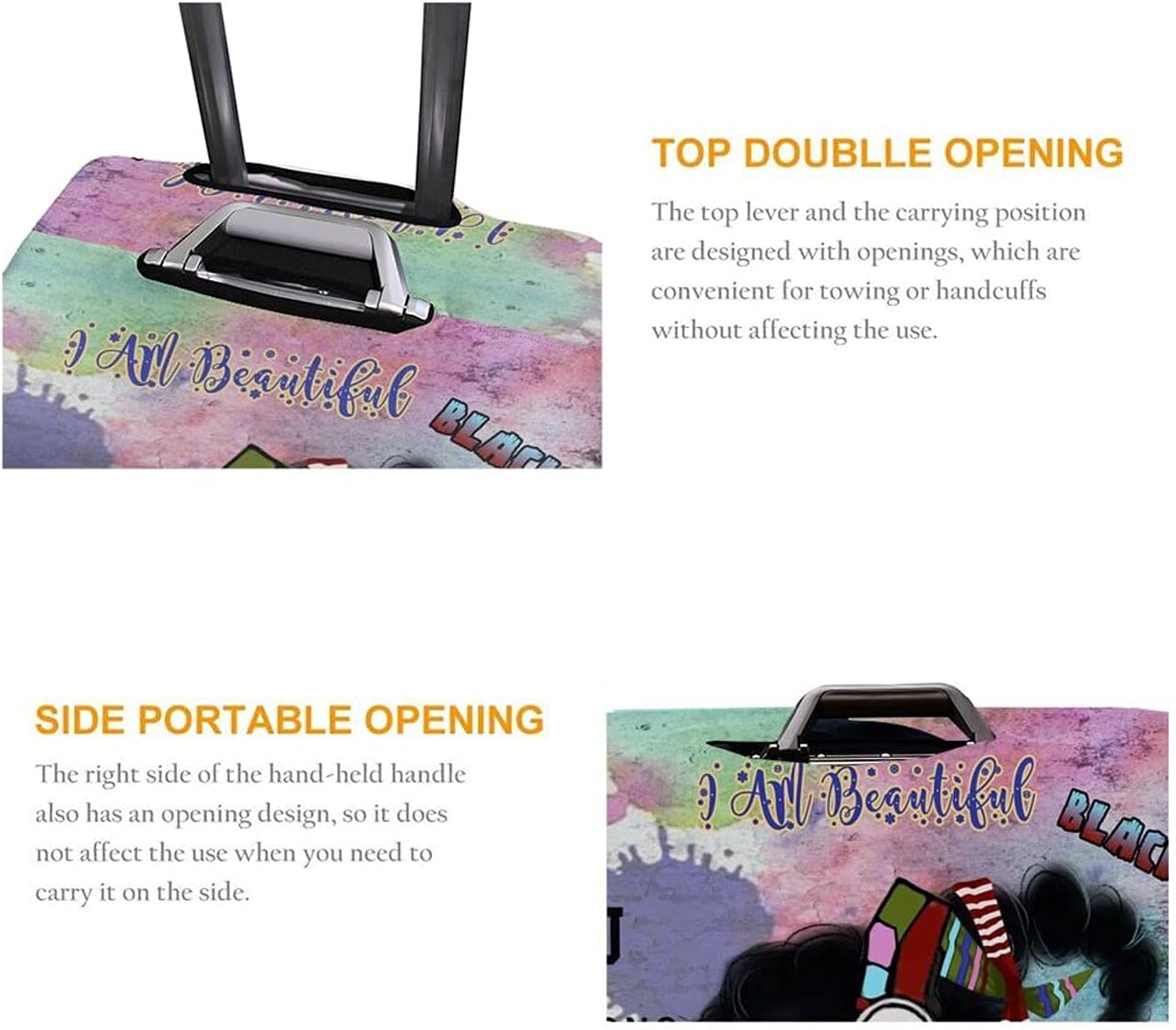
- 【Fit Nicely】Zipper closure,The special openings in both sides and top can help you to put your suitcase in the luggage cover,Find the handle and pick up your luggage off the belt quickly.
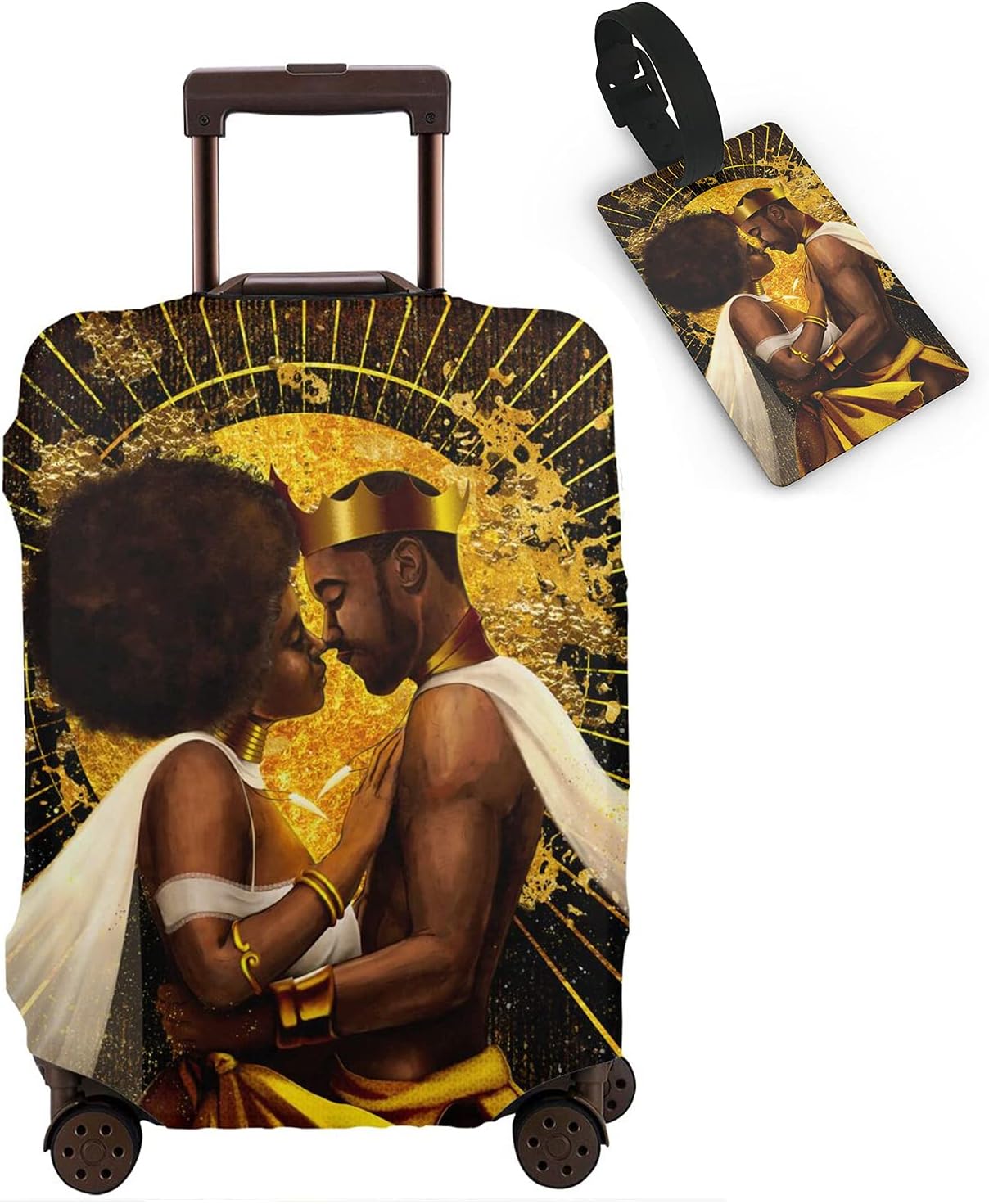
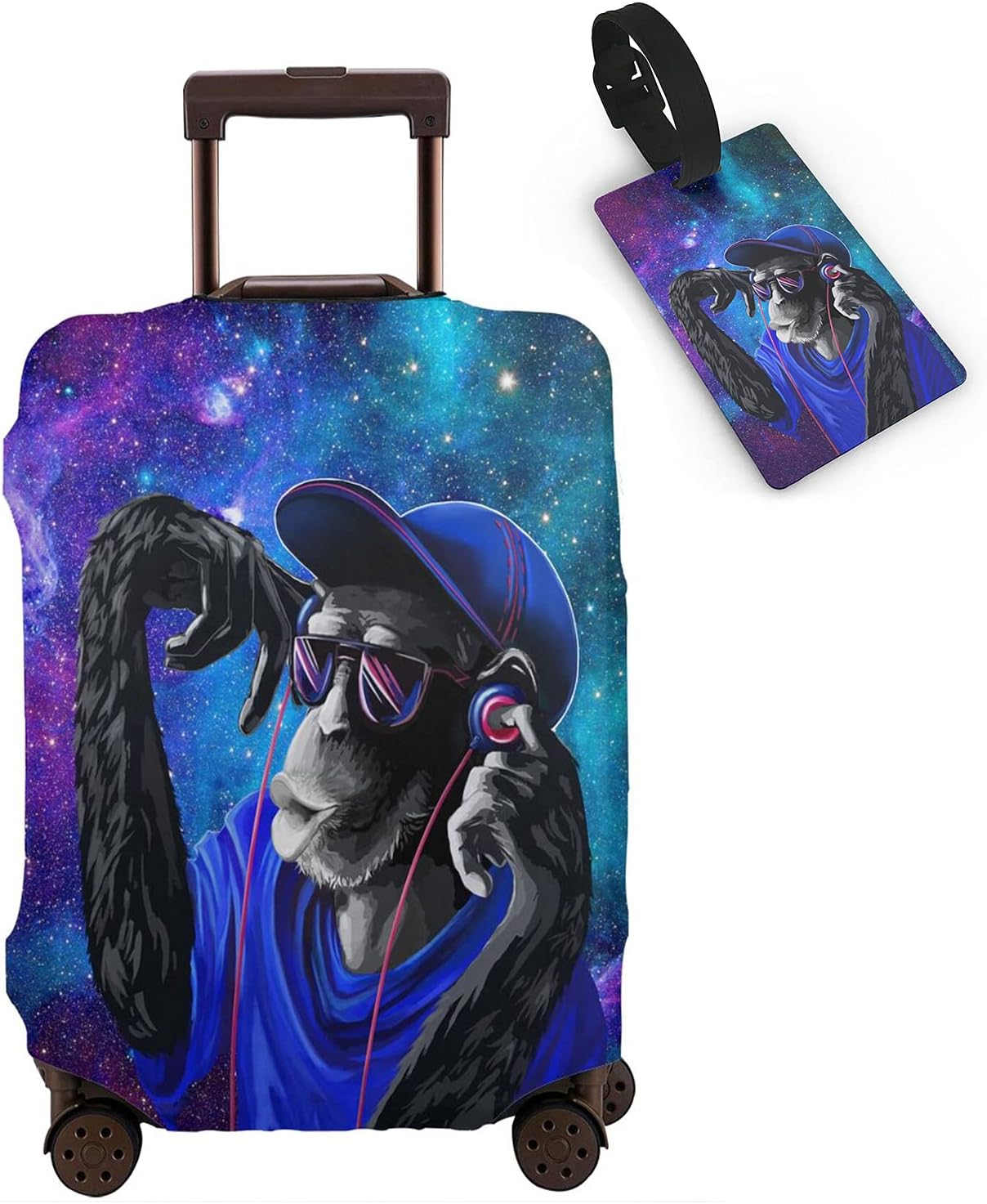
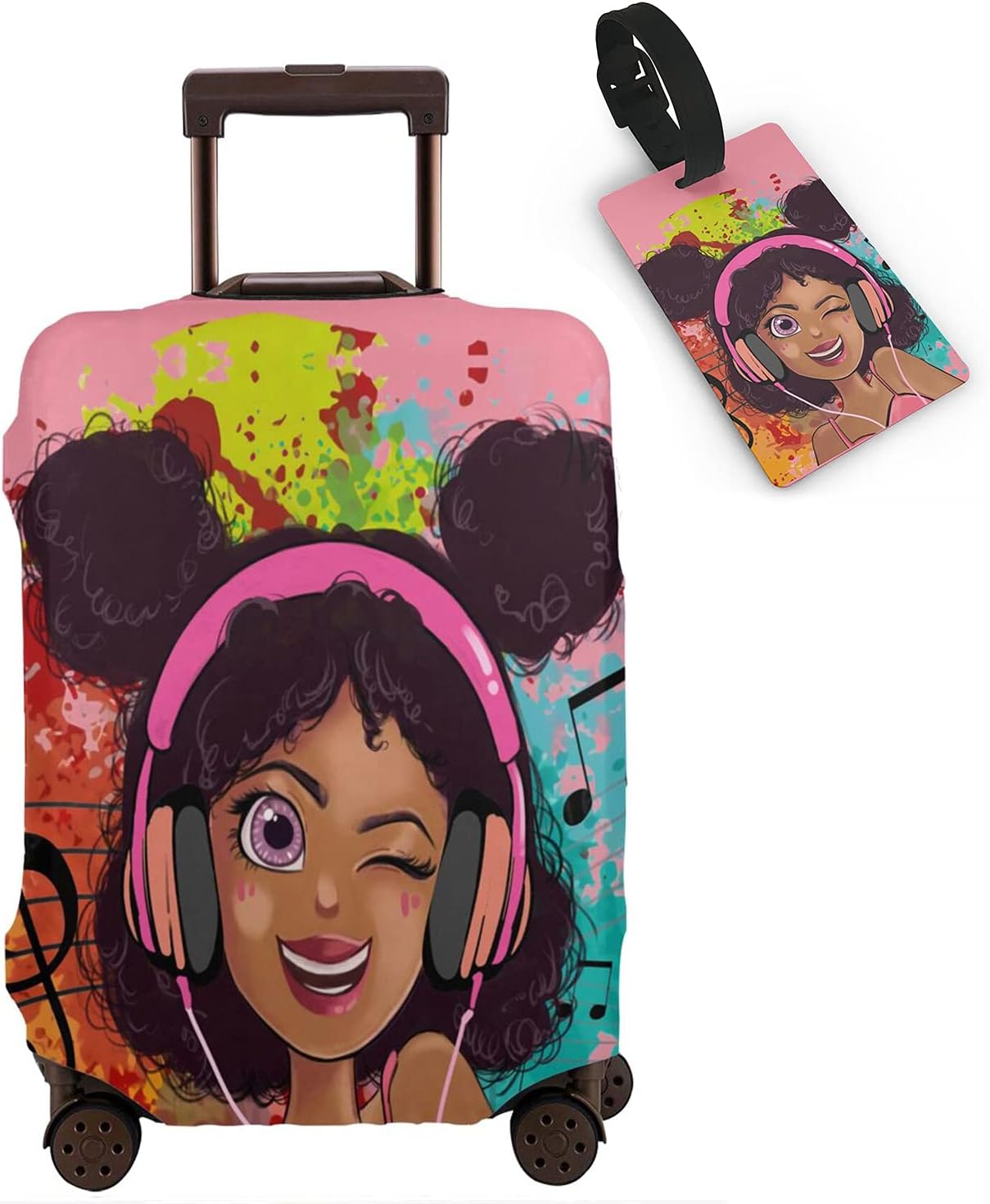
- 【Unique Design】Personalized Design suitcase cover,It Can Make Your Luggage Distinctive And Make Your Luggage Easy To Identify On The Luggage Belt At The Airport.
- 【Safety Protection】Very useful to protect your luggage from scratch marks,Dust and other surface damages.Double-stitched all over,Full of stretch and high elasticity,Ensure your suitcase stays shut during the trip
| UPC | 610034100562 |
|---|---|
| Size | S(18-22 inch luggage) |
| Color | style10 |
| Pattern | Cartoon |
| Brand Name | ZgaidIta |
| Shell Type | Soft |
| Strap Type | Stretchable |
| Wheel Type | Spinner |
| Handle Type | Carrying Handle |
| Item Weight | 0.27 Kilograms |
| Manufacturer | ZgaidIta |
| Material Type | Polyester |
| Item Type Name | Travel Accessory- Stroller Cover |
| Target Audience | African American Women |
| Number of wheels | 4 |
| Subject Character | American |
| Number of Sections | 1 |
| Water Resistance Level | Not Water Resistant |
| Other Special Features of the Product | Adjustable, Scratch Resistant, Wheel |










Customers who viewed this product also viewed
Low Cholesterol



Correction of product information
If you notice any omissions or errors in the product information on this page, please use the correction request form below.
Correction Request Form