

Older commercial buildings can offer attractive locations, established character and opportunities for renovation, but they can also hide expensive problems. Before purchasing, buyers should look beyond the appearance of the property and investigate its structure, building services and compliance requirements. A thorough assessment can provide a clearer picture of the investment required after settlement.
Investigate the Structure and Building Services
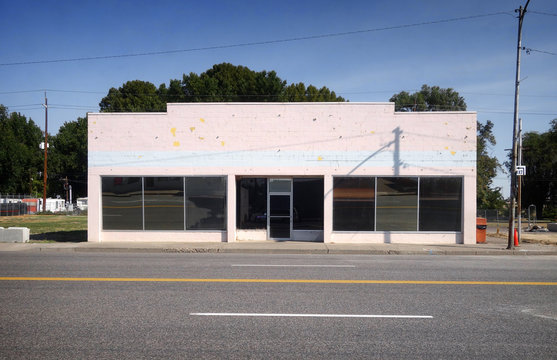
The physical condition of the property should be one of the first priorities. Buyers should look for signs of cracking, corrosion, water intrusion, roof deterioration and previous repairs. Visible defects do not always reveal the full extent of a problem, so professional building and structural inspections may be appropriate before committing to a purchase.
Electrical, plumbing, heating, cooling and ventilation systems should also be reviewed. Older infrastructure may still operate but could be unsuitable for the demands of a modern office, warehouse, retail space or other commercial use. Upgrading these systems can significantly increase the total cost of acquiring the property.
Buyers should also investigate previous alterations. Renovations completed by earlier owners may affect future work, particularly if documentation or approvals are incomplete.
Review Fire Safety and Existing Compliance
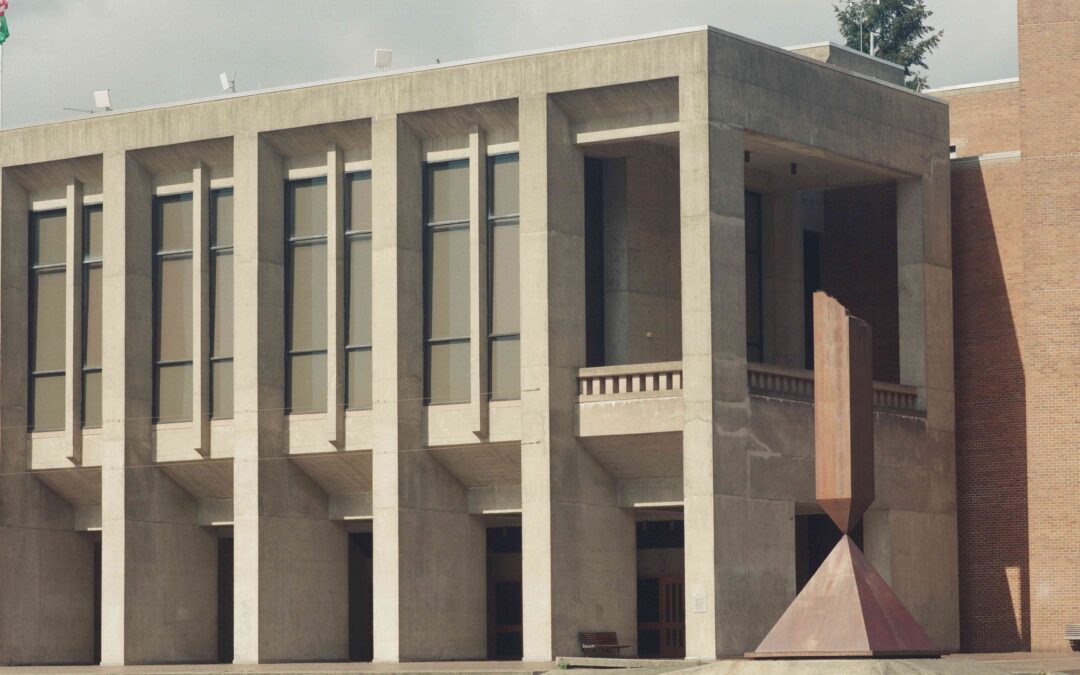
Fire safety can become an important consideration when purchasing an older commercial property, especially if the buyer intends to renovate the building or change its use. Existing exits, fire doors, alarms, emergency lighting and other safety systems should be examined as part of the broader due diligence process.
You can learn insights into which fire risk assessment consultants can provide a compliant and certified analysis of your commercial or industrial premises. Appropriate professional advice can help buyers understand the existing condition of fire safety measures and identify areas that may require further investigation or upgrading.
Compliance should not be assumed simply because the property is currently occupied. Building requirements and previous approvals can be complex, while a proposed change in use or layout may introduce additional considerations. Relevant documentation should therefore be reviewed before purchase where possible.
Calculate the Real Cost of Owning the Property

The purchase price represents only one part of the investment. Older commercial buildings may require immediate repairs as well as ongoing maintenance that should be incorporated into financial planning.
Buyers can prepare a list separating urgent work from improvements that could be completed over several years. Roofing, electrical upgrades, fire safety work and structural repairs may take priority, while cosmetic renovations can sometimes wait.
The suitability of the property for its intended operation also matters. Parking, deliveries, accessibility, storage, internet connectivity and future expansion can influence whether an apparently affordable building remains practical over the long term.
A contingency budget is particularly useful with older properties because inspections cannot always reveal everything hidden behind walls, ceilings and floors.
Conclusion
Buying an older commercial building requires due diligence beyond a standard property viewing. Structural condition, building services, fire safety, approvals and future maintenance costs should all be investigated. Understanding these factors before completing the purchase can help property owners estimate the true investment required and avoid discovering major problems after taking ownership.