

What if a simple change in pressure and oxygen delivery could influence how the brain heals itself? That question has been driving research into hyperbaric oxygen therapy for decades.
Originally developed for divers with decompression sickness, HBOT is now being studied for its potential role in brain recovery after injury, stroke, and even long term neurological conditions. Scientists are no longer asking whether oxygen matters for brain repair.
They are asking how much, how often, and under what conditions it may support recovery. If you have seen HBOT mentioned in brain health discussions and wondered what the evidence actually shows, this article walks through the research with clarity and realism, without hype or shortcuts.
How hyperbaric oxygen therapy works in the brain
To understand why HBOT attracts attention in brain recovery research, it helps to look at how the brain uses oxygen. Neurons consume enormous amounts of energy, and oxygen is central to that process. During hyperbaric oxygen therapy, a person breathes nearly pure oxygen inside a pressurized chamber, usually between 1.3 and 2.5 atmospheres. This pressure allows oxygen to dissolve more efficiently into blood plasma, not just red blood cells.
This mechanism changes how oxygen reaches injured or underperfused brain tissue. Areas with impaired blood flow may still receive oxygen through diffusion. Researchers focus on several biological effects:
- Increased oxygen availability in hypoxic brain regions
- Reduction in inflammation and edema
- Support for mitochondrial energy production
- Stimulation of angiogenesis and neuroplasticity
These processes are foundational to brain repair. Rather than acting like a drug with a single target, HBOT influences multiple systems involved in recovery, which explains both its promise and the need for careful research design.
Why HBOT entered brain recovery research
Interest in HBOT for brain recovery did not appear overnight. Early observations came from stroke and traumatic brain injury patients who showed unexpected functional improvements after oxygen based treatments. Over time, controlled studies began to examine whether those improvements could be measured and reproduced.
In clinical settings, especially in larger cities, access to advanced protocols has expanded. For patients exploring Los Angeles hyperbaric oxygen therapy, the appeal often lies in combining medical oversight with evolving research driven approaches. The focus has shifted from emergency treatment to structured protocols designed around neurological recovery timelines.
Researchers were drawn to HBOT because traditional rehabilitation often plateaus. Brain injuries can leave areas that are alive but underactive. Imaging studies suggested that oxygen delivery might reactivate these regions. This concept, sometimes described as the “idling neuron” theory, continues to shape experimental design and clinical trials today.
Evidence from traumatic brain injury studies
Traumatic brain injury, especially mild and moderate cases, has been a major focus of HBOT research. Several randomized and controlled trials have examined cognitive function, memory, attention, and quality of life outcomes after structured HBOT protocols.
Results are mixed but informative. Some studies report statistically significant improvements in attention, processing speed, and executive function compared to control groups. Others show minimal differences, often depending on pressure levels, session counts, and patient selection.
What stands out is consistency in certain findings. Patients with persistent post concussion symptoms appear more likely to show benefit than those in acute phases. Timing matters. Dose matters. Outcome measures matter.
An important takeaway from the literature is that HBOT is not positioned as a cure. Instead, it is studied as a supportive intervention that may enhance the brain’s natural repair mechanisms when applied under specific conditions.
Stroke and oxygen driven neuroplasticity
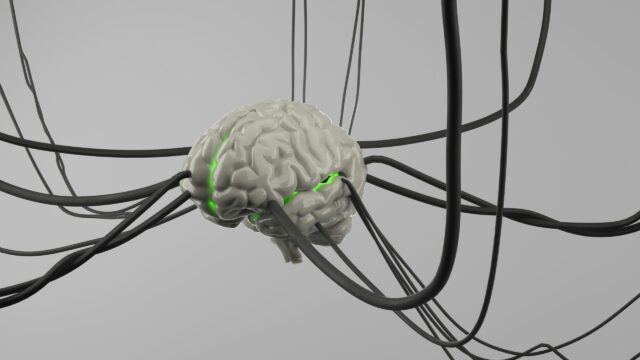
Stroke research offers another window into how HBOT may influence brain recovery. After ischemic stroke, surrounding brain tissue often exists in a fragile state, alive but functionally suppressed. This area, known as the ischemic penumbra, is highly sensitive to oxygen availability.
Several small and mid sized trials have explored HBOT in chronic stroke patients, sometimes months or years after the initial event. Improvements reported include motor function, speech, and daily living activities. Imaging studies in some trials show increased cerebral blood flow and metabolic activity in previously inactive regions.
One proposed mechanism is enhanced neuroplasticity, the brain’s ability to reorganize connections. Oxygen plays a role in synaptic activity and repair processes. While large scale definitive trials are still limited, the pattern of findings has been strong enough to justify continued investigation rather than dismissal.
Research summary by condition
To better understand where evidence is strongest, it helps to compare conditions studied under similar research frameworks.
| Condition | Research focus | Reported outcomes |
| Mild traumatic brain injury | Cognitive function, symptom persistence | Attention and memory improvements in selected groups |
| Moderate to severe TBI | Functional recovery | Mixed results, protocol dependent |
| Ischemic stroke | Motor and cognitive recovery | Functional gains in chronic phase |
| Cerebral palsy | Motor control | Inconsistent, age dependent |
| Neurodegenerative disorders | Symptom modulation | Preliminary and exploratory |
This table reflects trends rather than conclusions. Research quality varies widely, and many studies emphasize the need for individualized protocols rather than one size fits all approaches.
What current research agrees on
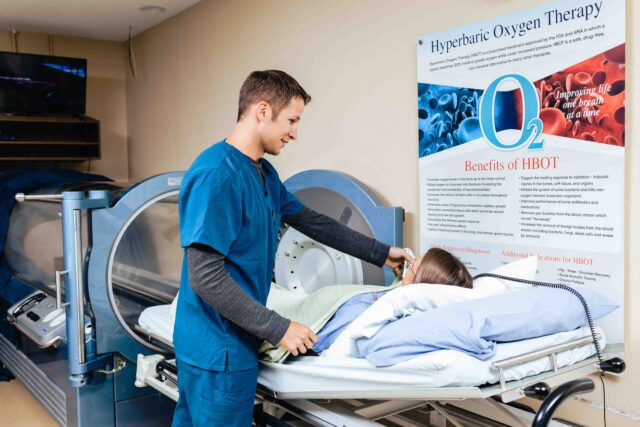
Despite debate, there are points where researchers largely agree. HBOT increases oxygen delivery to brain tissue beyond what normal breathing can achieve. This physiological effect is measurable and reproducible. The disagreement lies in how that effect translates into functional outcomes across populations.
Hyperbaric oxygen therapy increases the amount of dissolved oxygen in plasma, allowing oxygen delivery to tissues with compromised blood flow.
Another area of agreement involves safety. When administered under medical supervision, HBOT has a well documented safety profile. Side effects such as ear barotrauma and temporary vision changes are typically mild and reversible.
Researchers also agree that patient selection is critical. Studies that carefully define injury type, chronicity, and outcome measures tend to produce clearer results than broad, loosely defined trials.
Oxygen and brain energy demand

The brain represents only about 2 percent of body weight but consumes roughly 20 percent of the body’s oxygen at rest. After injury, energy demands often increase while oxygen delivery decreases. This mismatch contributes to prolonged symptoms and delayed recovery.
HBOT research often focuses on correcting this imbalance. By temporarily increasing oxygen availability, researchers aim to support energy metabolism during critical repair windows. This concept explains why repeated sessions are studied rather than single exposures.
Interestingly, some imaging studies suggest that oxygen enriched environments can reveal dormant neural networks, making rehabilitation exercises more effective when paired with HBOT. This pairing effect is an emerging area of interest rather than an established protocol.
Closing thoughts
Hyperbaric oxygen therapy sits at an interesting intersection of physiology, neurology, and rehabilitation science. Research does not present it as a standalone fix for brain injury, but it does support its role as a potential amplifier of recovery processes under the right conditions. The most responsible takeaway from current evidence is cautious optimism grounded in data, not marketing. As studies continue to refine who benefits most and why, HBOT remains an active and evolving area of brain recovery research worth understanding in depth.