
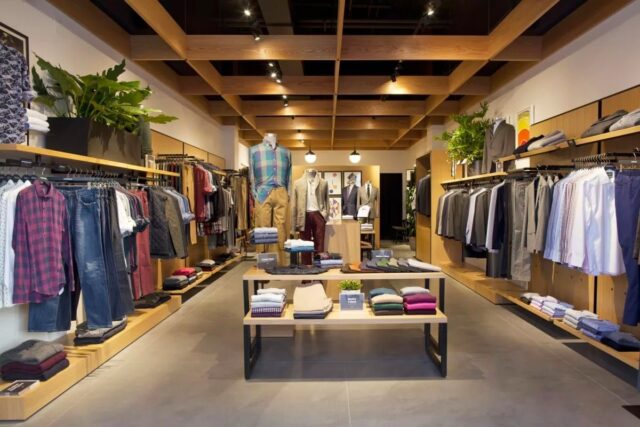
Modern retail design transcends traditional merchandise display, creating immersive experiences that customers remember and recommend. Today’s shoppers seek emotional connections rather than transaction efficiency, expecting retail spaces to tell stories and reflect personal values.
The most successful stores combine strategic layout, atmospheric design, and authentic brand expression into cohesive environments that inspire loyalty. Digital shopping alternatives mean physical stores must offer experiences impossible to replicate online.
Contemporary retail demands designers reimagine stores as entertainment destinations where customers spend time voluntarily rather than necessities requiring minimum effort. For modern retail inspiration and atmospheric solutions, visit Neon Now to explore how distinctive lighting transforms ordinary stores into memorable destinations.
Experience-Driven Layout and Customer Journey Design

Successful retail design prioritizes customer experience over merchandise density. Rather than maximizing shelf space, modern stores create open layouts encouraging exploration and discovery. Intentional pathways guide customers through spaces while offering escape routes preventing claustrophobic sensations.
Strategic product placement creates discovery moments where customers encounter unexpected items, encouraging additional purchases. Experience zones featuring interactive elements, seating areas, and demonstration stations transform stores into social destinations. When customers spend extended time exploring rather than rushing through checkout, they discover additional products and develop stronger brand connections.
Lighting, color psychology, and spatial design work together to influence subconscious customer behavior. Warm lighting creates welcoming atmospheres while cool lighting suggests modernity. Proper sightlines ensure merchandise visibility while creating intimate spaces that prevent overwhelming sensory input during shopping visits.
Authentic Brand Expression and Storytelling
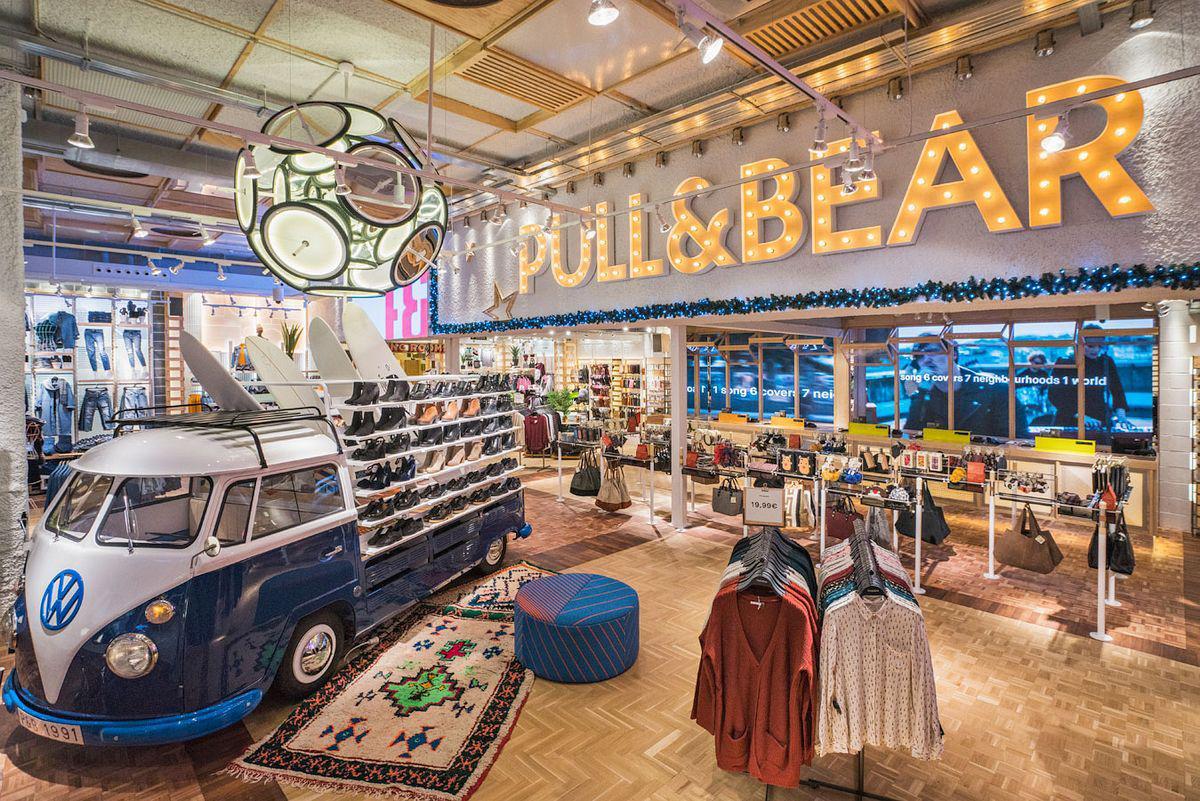
Generic retail spaces fail to differentiate commoditized products. Successful stores authentically express brand values and personality through design choices. When stores celebrate unique brand perspectives, customers connect emotionally rather than just making purchasing decisions.
Local artistry, handcrafted elements, and authentic materials communicate genuine values that mass-produced aesthetics cannot achieve. Customers increasingly prefer brands demonstrating craftsmanship and cultural awareness. Retail spaces become brand ambassadors where every design choice reinforces core company values and mission.
Storytelling through environmental design creates memorable experiences customers recall and discuss. When store design incorporates brand narrative, customers develop deeper understanding of product origins and creation philosophies. These emotional connections transform casual shoppers into brand advocates.
Flexible Spaces and Evolving Retail Models
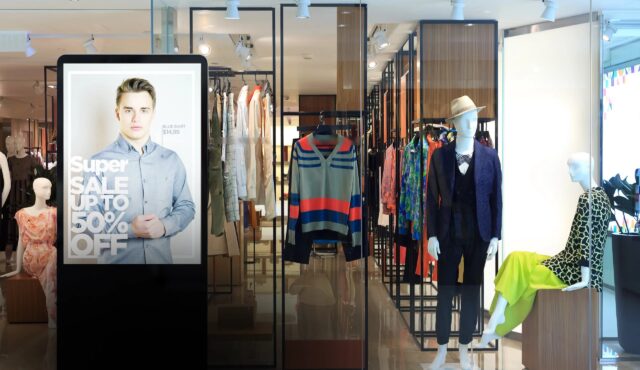
Modern retail success requires adaptability as consumer preferences evolve rapidly. Fixed designs limiting operational flexibility become liabilities in dynamic markets. Successful stores feature modular components, adjustable layouts, and systems supporting rapid reconfiguration.
Multi-functional spaces accommodate pop-up installations, special events, and rotating exhibitions. When retail spaces host community activities beyond shopping, they become community gathering places. This event-driven approach generates word-of-mouth marketing while diversifying revenue streams beyond traditional retail.
Technology integration—virtual reality, interactive displays, mobile integration—enhances physical shopping without overwhelming sensory experiences. Subtle technology implementation maintains human-centric atmospheres while offering digital conveniences customers expect. The most successful stores make technology invisible, enhancing rather than dominating customer experiences.
Conclusion
Retail store design has fundamentally transformed from merchandise showcase toward experience creation. Modern stores succeed by prioritizing customer journey, authentic brand expression, and flexible adaptability. When retail spaces tell compelling stories, customers become willing participants investing time and emotional energy.
Contemporary retail design proves that memorable spaces drive loyalty far more effectively than competitive pricing. Customers reward exceptional design with repeat visits, social media promotion, and word-of-mouth recommendations.
By embracing these new retail design rules, store owners create distinctive destinations where customers genuinely want to spend time, transforming shopping into social experiences customers celebrate rather than tolerate.